

Tag: cosmetic dentistry
Tooth bonding near my gum line looks terrible. Can it be redone?
 I developed these sensitive yellow notches near the gum line on several of my teeth, so my dentist put small fillings in them to prevent sensitivity.
Although the sensitivity is resolved, the problem now is that my teeth now look worse than when they had the yellow notches. The filling material color is just so off, and the filled spots look rough and opaque.
What can I do? Can I get these redone or am I stuck with this color? Could the dentist just patch a better color over them?
– Greg
Hello Greg,
We’re very sorry to hear about what you’ve gone through. Although we would normally encourage folks to see an expert cosmetic dentist to ensure they get natural-looking cosmetic dental work done, any good general dentist should be able to get the color right for the kind of restorations you had done.
So it does sound like you might want to try visiting a new dentist to get a better color match for your bonding.
On that note, let’s discuss your options for improving the look of your restorations. Keep in mind that these recommendations are based solely upon the information you have shared with us. You will need to seek a second opinion by visiting a cosmetic dentist near you in person to find out which treatment option is best for you.
Option #1: Resurfacing your fillings.
It’s possible that another dentist could simply ‘refinish’ your fillings by grinding down the surface a bit and then covering them with a composite material that matches your teeth better.
Option #2: Replacing your fillings.
There would probably be no issues with simply replacing your fillings altogether if your new dentist sees fit to do so. This shouldn’t harm your teeth at all. If the color of your current fillings makes them stand out from your teeth, then a dentist can easily see how far to drill to remove them. Even if the color was such a good match that the fillings couldn’t be easily distinguished from the teeth, a dentist would use a special drill tip that only removes composite material without harming the tooth.
An Important Note About Abfraction Lesions
Abfraction lesions are notches that develop near the gum line on teeth. These notches can become very sensitive as the enamel wears away over time, and dental bonding is a popular way to protect these sensitive notches. In previous years, dentists believed these notches were caused by aggressive tooth brushing, but now we understand that the main factor is excessive tooth clenching. Biting the teeth together causes them to flex slightly right at the point where they meet the gums. This flexing action weakens the teeth and creates that notch.
If you have a subconscious habit of clenching your teeth, then that could be the reason you developed those sensitive notches at the gum line.
Why does this matter?
The best material for restoring those notches in your teeth depends on what caused them in the first place. A stiff and inflexible material will eventually pop out when the tooth flexes. So if the lesions on your teeth were caused by clenching, then a dentist will probably select a softer and more flexible material that can move with your teeth when they flex under pressure.
This post has been published on behalf of Dr. Gilberto Tostado, a cosmetic dentist near Douglas, AZ.
Read More...Cheap cosmetic dentistry: are composite veneers worth it?
I chipped one of my upper front teeth last year and my dentist patched it up with some composite bonding. It wasn’t perfect, but it did the job. Lately, however, that tooth has started to look stained and darker than the teeth next to it. I went back to my dentist to see if he could fix the bonded tooth. He said that since all of my upper front teeth are discolored he recommends putting composite veneers on them. He said it would only be about $3,000 to get all eight upper teeth done. I’d like to save money on my treatment if I can, but that sounds a lot cheaper than what I’ve heard veneers normally cost.
Now I’m a little suspicious. Are these composite veneers really a good idea, or is there a reason they cost so much less than other veneers?
– Jim from Arizona
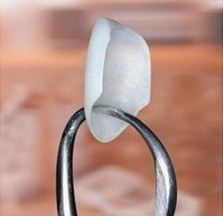
We recommend you trust your intuition on this one, Jim.
Some people opt for composite veneers because they are more affordable than traditional porcelain veneers. The lower price makes it easier to improve the appearance of multiple teeth at once.
But you have two good reasons to think twice about getting composite veneers, especially ones that are priced so cheaply:
Reason #1: It takes great skill to make composite veneers that look natural.
While porcelain veneers are crafted outside the mouth in a dental lab and then later bonded to the teeth, composite veneers are built up directly on the surface of the teeth. A cosmetic dentist must be highly skilled in layering composite material so that the outcome is as lifelike as possible. But if your current dentist is charging a low rate for composite veneers, then this could indicate that he is not confident in his ability to deliver the best results. Naturally, you might doubt whether he can do a high quality job on your teeth.
Reason #2: Composite veneers do not last as long as porcelain veneers.
Composite dental material, while durable, is more susceptible to stain and discoloration than porcelain. New composite veneers can look very nice for a few years after they are placed, provided the dentist does a good job. If you avoid smoking and dark-colored foods and brush and floss religiously, then you can minimize stain accumulation on composite veneers. But it is only a matter of time before composite veneers become so discolored that you are obligated to replace them again.
Choosing Between Composite and Porcelain Veneers
At the end of the day, you have to ask yourself:
Is it worth it to save money on your dental veneers by choosing composite even if it means the results may not turn out great?
Are the savings truly worth it when you consider the fact that your composite veneers will need to be replaced every two to three years?
Many patients choose porcelain veneers because they deliver more predictable, lifelike, and long-lasting results and because they are practically immune to stain. Porcelain veneers could last you 20 years or even longer.
Do a little more research before making your decision. Ask your current dentist about how many sets of veneers he has placed so far and ask to see some before-and-after photos of patients he has treated. If you’re still interested in composite veneers and trust your dentist’s skill, then you can safely get them.
But if you want a more lasting solution, you’d be better off seeing a dentist who has a track record of creating beautiful smiles with porcelain veneers.
This post has been published on behalf of Dr. Gilberto Tostado of Corei Dental, a dentist near Douglas, AZ.
Read More... Infinity Business Web